The global African diaspora is emerging as an influential force in world affairs, shaping politics, economics, science, culture, diplomacy and the struggle for racial justice. From the descendants of enslaved Africans in the Americas and the Caribbean to contemporary African migrants across Europe, Asia and North America, people of African descent are increasingly influencing global conversations and institutions.
The movement began long before the present era. Intellectuals and activists such as W. E. B. Du Bois and Marcus Garvey laid the foundations for Pan-Africanism, connecting African liberation with the struggles of Black people worldwide. Ghana’s first president, Kwame Nkrumah, strengthened this vision by making independent Ghana a centre of African liberation and international solidarity.
In politics, Barack Obama made history as the first Black president of the United States, while Kamala Harris became the country’s first Black vice president. In international diplomacy and economic governance, Nigeria’s Ngozi Okonjo-Iweala became the first African and first woman to lead the World Trade Organisation. These achievements demonstrate the growing participation of people of African heritage in global decision-making.
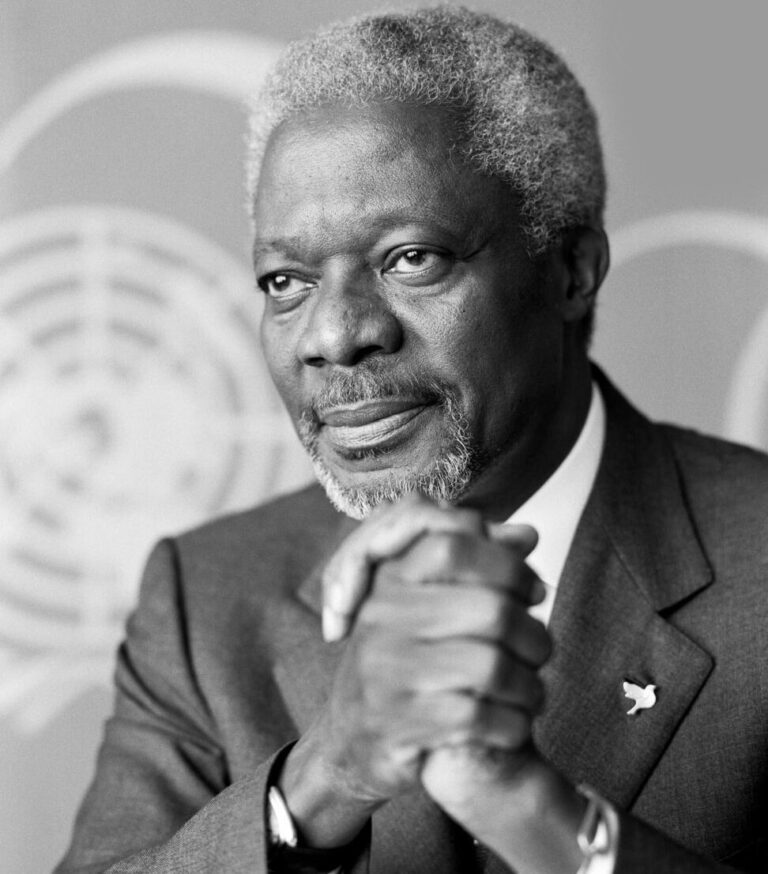
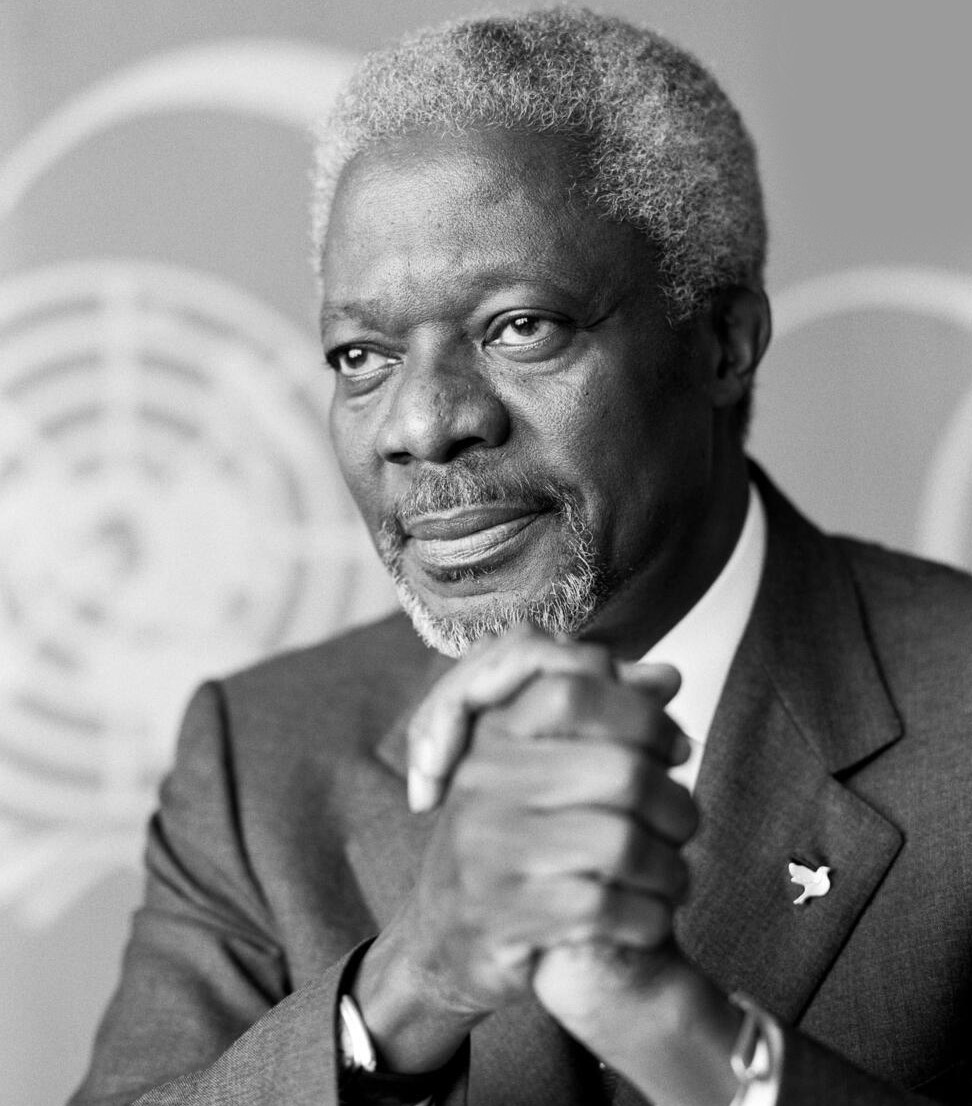
No account of African influence in world affairs is complete without Kofi Annan. The Ghanaian diplomat, who served as the seventh Secretary-General of the United Nations from 1997 to 2006, became one of Africa’s most prominent voices in international diplomacy. In 2001, he and the United Nations received the Nobel Peace Prize for their work towards a better-organised and more peaceful world. Through the Kofi Annan Foundation, he continued to champion peace, democracy and responsible leadership. His legacy demonstrates how an African leader can shape global affairs while advancing the principles of international cooperation and human dignity.
The diaspora’s economic and technological contributions are equally significant. Entrepreneurs such as Robert F. Smith have built major investment businesses, while scientists including Kizzmekia Corbett have contributed to important medical research. Their achievements highlight the potential of African-descended professionals to influence innovation, investment and international development.
Culture remains another powerful instrument of global influence. Bob Marley carried Jamaican reggae to international audiences, Beyoncé has explored Black identity and African heritage through music, and Burna Boy has helped expand the global reach of contemporary African music. In sports, Serena Williams and Lewis Hamilton have achieved international recognition while contributing to discussions about representation and equality.
The struggle for historical justice also remains central to diaspora activism. Figures such as Nkechi Taifa have advocated reparations for the descendants of enslaved Africans, while Mitchell Esajas has challenged colonial historical narratives in the Netherlands. The African Union’s 2025 theme, Justice for Africans and People of African Descent Through Reparations, further elevated the issue internationally.
Ghana continues to occupy an important place in these relationships. Through its historical Pan-African connections, diaspora engagement initiatives and cultural programmes, the country offers opportunities to strengthen cooperation between Africa and its global descendants.
Yet individual success does not automatically translate into collective progress. The diaspora remains divided by geography, political beliefs, economic circumstances and generational experiences. Stronger institutions, credible media, educational partnerships, productive investments and coordinated advocacy are essential to converting individual achievements into wider benefits.
The rise of the global African diaspora is no longer simply a story of migration and survival. It is a story of growing influence, cultural identity, economic opportunity and the continuing struggle for equality. The challenge now is to transform individual accomplishments into collective power that benefits African-descended communities worldwide and strengthens Africa’s position in global affairs.
Story: Lawal Mohammed