Most persons who have heard about Eswatini (Swaziland) unfortunately quickly form an imagery of a country ruled by a King with multiple wives.
The fact is that Eswatini is a small nation with an estimated 1.4million inhabitants, less than half of the population of Kumase.
This is a nation where polygamy is legal and functions as a social structure. This was a common norm in several societies across the world, until the ‘one man – one wife’ mantra grew loud and became somewhat synonymous with modernity.
Eswatini celebrates its annual Reed Dance festival in August/September, attracting many tourists. This is the festival where singing bare-chested girls present freshly cut reeds to the royal King and Queen in the capital Mbabane.
Then comes the controversy which always triggers unending debate. While the young girls, usually virgins, parade in the royal arena, the King is at liberty to choose a maiden as the next wife.
The current King Mswati III who was enstooled in 1986 has 15 wives, which is in pale comparison to his father and predecessor King Sobhuza II who had about 100 wives. Literally speaking, it is a cultural phenomenon that plays a significant role in their societal standing and inheritance. ‘Who mam I’ to start pontificating on this matter.
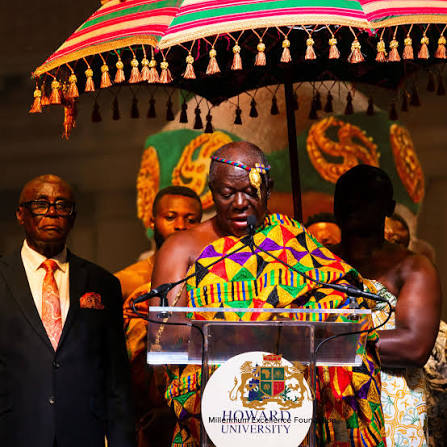
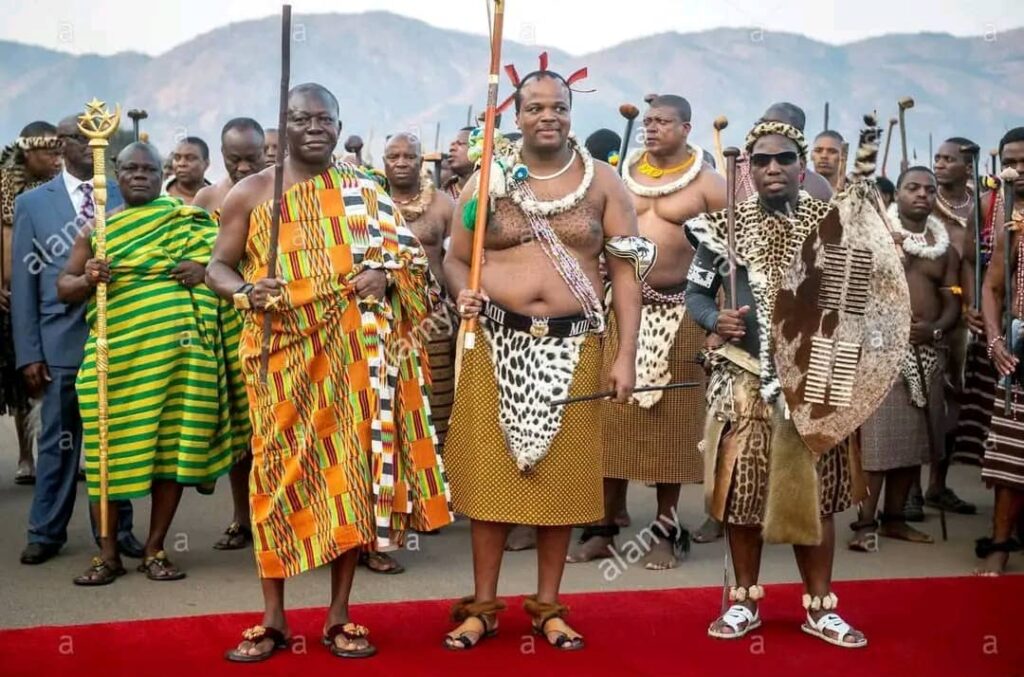
In 2015, the Asantehene Osei Tutu II was invited as a special Guest to witness the annual Reed Dance and as a means to strengthen bilateral engagement in the areas of trade and cultural heritage.
A decade later, in 2025, the Eswatini King is paying a reciprocal visit to the royal city of Kumase. The visiting King will pay visits to the Kumase Metropolitan Assembly and Manhyia Palace Museum, on Wednesday, 25th June.
HRM Mswati III will then address the National House of Chiefs, in the early hours of Thursday, 26th June, 2025. Thereafter, in the latter half of the day, the great people of Asanteman will hold a grand durbar at the Manhyia Palace to showcase the rich Asante culture.
The visit reinforces the fraternal relations between Asanteman and Eswatini, and is expected to draw several dignitaries and persons from all walks of life.
King Mswati III, Akwaaba.
— Yaw Afreh, Lawyer and Historian