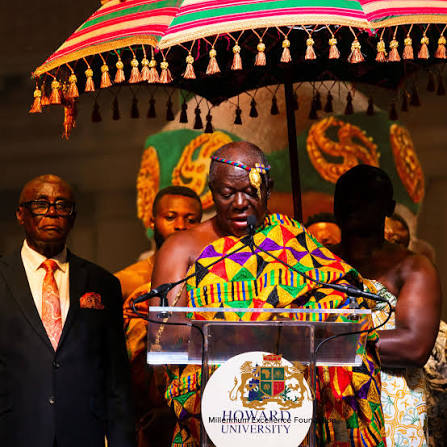
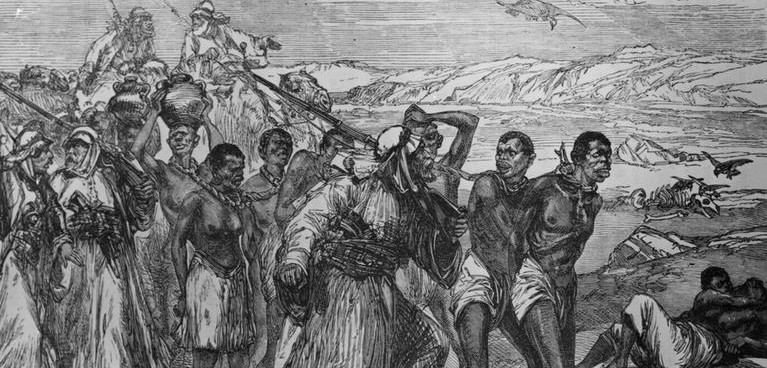
In a strongly worded reflection, Osabarima Kwaku Adu, CEO of the Black Restoration Foundation in the Netherlands, has called for a global re-examination of history, faith, and humanity’s collective responsibility toward justice and peace. He contends that the enduring consequences of African enslavement—across both the transatlantic and trans-Saharan systems—continue to shape present inequalities, and insists that meaningful reparations must form part of any honest reckoning. According to him, accountability should extend to all parties involved, including European and Arab actors, particularly where religion was invoked to justify exploitation.
Osabarima Adu highlights the often-overlooked role of Arab participation in the historical enslavement of Africans, arguing that a balanced historical narrative is essential for genuine reconciliation. He maintains that acknowledgment, apology, and structured reparative measures are necessary steps toward healing, stressing that selective remembrance risks deepening historical wounds rather than resolving them.
He also raises concern over the continued misuse of religion in contemporary conflicts, pointing to violence in parts of Africa, including Nigeria, the Democratic Republic of Congo, and Sudan. He cautions against reducing such crises to purely religious explanations, urging leaders and communities instead to resist the manipulation of sacred texts for power, wealth, or division. In his view, faith traditions must be reclaimed as instruments of truth, justice, and human dignity rather than vehicles for conflict.
Further, he questions the contradiction between religious teachings on peace and the development of weapons of destruction, calling for a renewed respect for life and nature. Reflecting on the shared human journey—birth, growth, and death—he challenges societies to move away from systems driven by domination and toward those grounded in compassion and coexistence.
Concluding on a reflective note, Osabarima Adu calls for a shift beyond rigid ideological and religious boundaries, encouraging a global commitment to dialogue, accountability, and peaceful coexistence. He argues that the path forward lies not only in acknowledging past injustices, but in building a future anchored in unity, dignity, and restorative justice.
Story: Lawal Mohammed