“AFRICACANS, be they from Europe, Asia, America, or Australia, have historically fought against the slave trade and continue to defend and support Africa in various ways.”
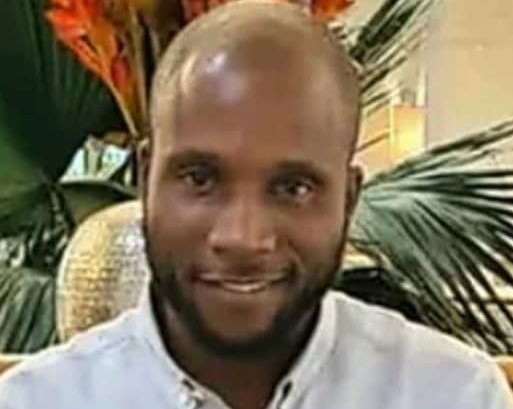
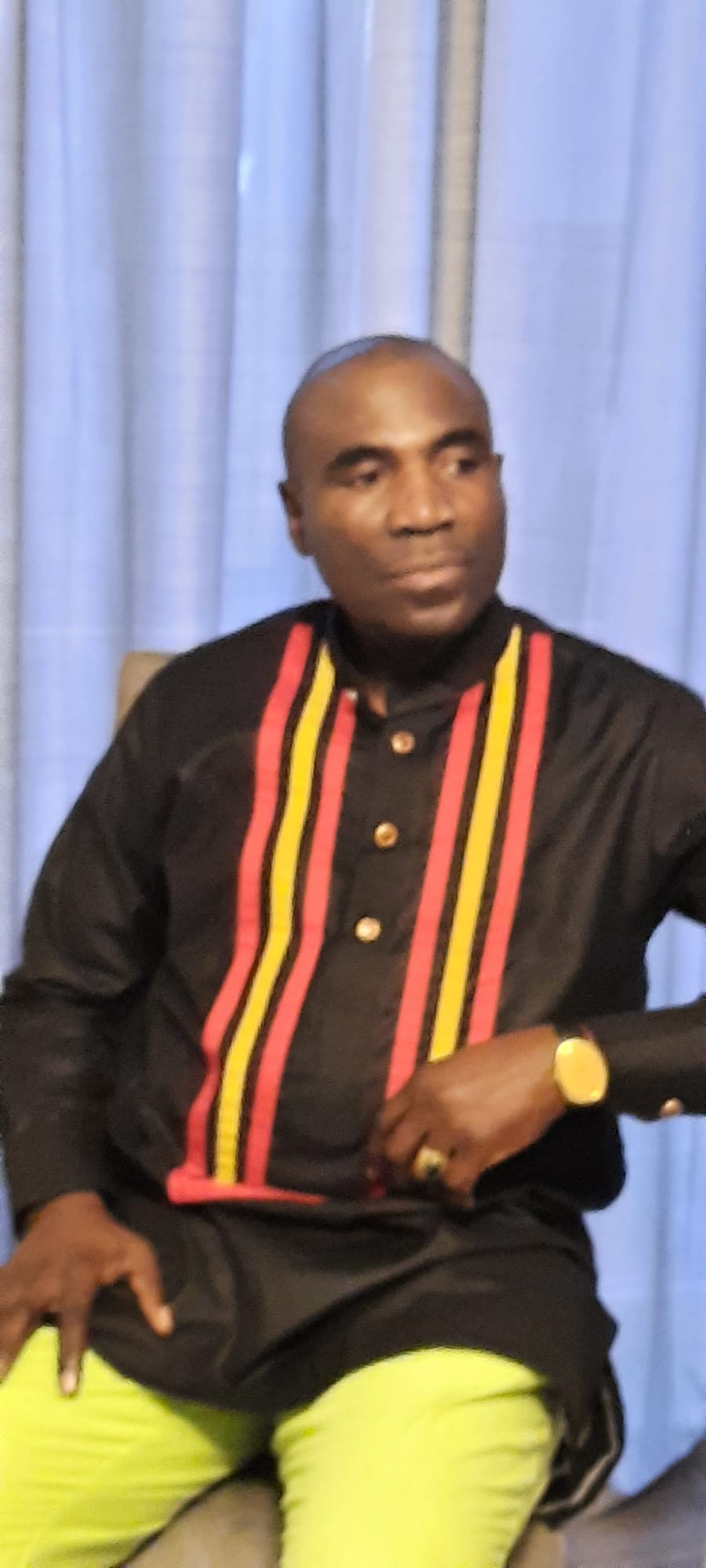
Osabarima Kwaku Adu, Chief Executive Officer (CEO) of Black Restoration Foundation, is urging the Governments of Ghana and other African countries to reconsider the prison sentences imposed on convicted individuals.
“There is a significant need for prison reform in Ghana and across the African continent,” he stated during a media interaction.
He argues that prisons in Africa are creating more hardened criminals instead of rehabilitating them. Many young offenders, after completing their sentences, have difficulty reintegrating into society due to insufficient rehabilitation programs and a lack of employment opportunities. Consequently, they often turn back to crime, resulting in their return to prison. The Foundation advocates for reforms that emphasize rehabilitation and reintegration rather than focusing solely on punishment.
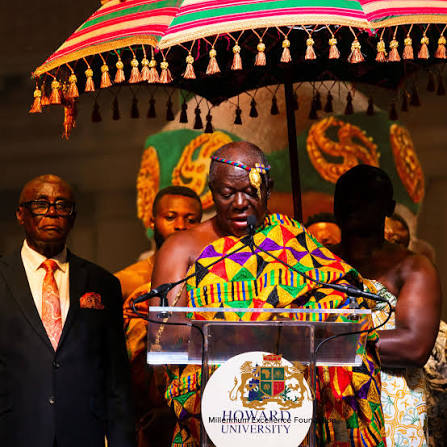
According to him, the government must collaborate closely with Nananom (the Queens and Kings), who are the custodians of the land. This partnership is essential for allocating land to engage the community in farming activities and other meaningful trades, allowing them to integrate into society without fear or hindrance.
Turning to the concept of ‘AFRICACANS’—individuals from all backgrounds who, regardless of their complexion, are deeply committed to the progress of the Black race—he passionately urged them to join forces with Africans both at home and abroad to drive meaningful change and create a brighter future for the continent.
He expressed satisfaction that the AFRICACANS, be they from Europe, Asia, America, or Australia, have historically fought against the slave trade and continue to defend and support Africa in various ways.
Osabarima Adu urged them to actively participate in Africa’s Cultural Revolution, focusing on self-sufficiency in food production and contributing knowledge to Black institutions for practical education.
To him, “African youth are the continent’s greatest asset, both now and in the future. It is essential to instill values of hard work, determination, and sacrifice in them to build a better future. In our globalized world, living in peace and harmony is a shared responsibility. Since death ultimately equalizes everyone, we should focus on using our skills to improve lives rather than destroy what we have inherited. If one cannot contribute positively, they should at least avoid causing harm. The goal is to leave a better world for future generations.”
Story: Lawal Mohammed