
Nearly half a century after a Dutch monarch last set foot in Suriname, King Willem-Alexander returned not to celebrate old ties, but to confront a past his country can no longer hide behind diplomacy. On Monday, in a closed-door meeting that carried centuries of unresolved trauma, the king offered his formal apology to descendants of Suriname’s enslaved people and Indigenous communities in a gesture long demanded and long overdue.
This was not a choreographed colonial nostalgia tour. The descendants had insisted on this conversation since the king’s 2023 speech marking 160 years since the “formal” abolition of slavery. That speech acknowledged what the enslaved always knew: Dutch royals looked the other way while their wealth was built on human bondage.
Hesdy Ommen, chairman of the Federatie van Para Plantages, whose ancestors lived through that brutality, did not mince words. Yet he accepted the apology, offering forgiveness “on behalf of all the leaders.” His message was clear: forgiveness is not forgetfulness, and what happens next matters more than royal remorse. “From this point, we must build on what comes next,” he said.
Suriname’s president, Jennifer Simons, emerged from the talks with an equally firm stance. The €66 million set aside in 2023 for a “recovery programme” is only a starting point, she insisted, pointing out that Suriname, not the Netherlands, must lead it. The money, she stressed, is not reparations. “It is a gesture,” a symbolic acknowledgement of harm that still shapes Surinamese lives.
The Netherlands has implemented measures following apologies from the Prime Minister in 2022 and the King in 2023. These measures include a €200 million fund aimed at confronting racism and educating the public about the true history of Dutch enslavement. Additionally, some symbolic actions have been taken: descendants of enslaved individuals can now change the surnames that were imposed on their ancestors; Curaçaoan revolutionary Tula has been officially rehabilitated; and Amsterdam is planning to establish a museum dedicated to the history of slavery.
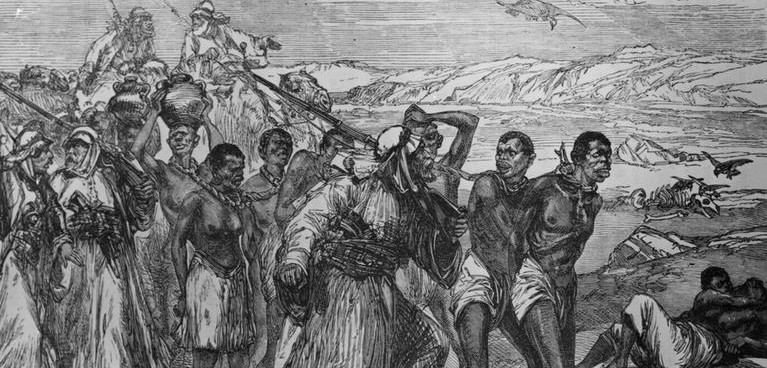
But symbols cannot erase the scale of the crime. For more than 200 years, the Dutch empire profited from a plantation economy built on terror. Even after “abolition” in 1863, the enslaved in Suriname were forced into a decade-long transition of unpaid labour, tentatively meaning that freedom did not truly come until 1873. Only in 1975 did Suriname finally reclaim its political independence.
Now, as the king’s apology reverberates through Paramaribo, Surinamese voices are insisting that this moment belongs to them but not to Europe’s conscience. The era of silent suffering is over. The next chapter, they say, must centre on justice, repair, and a future written not by former colonisers, but by the descendants of those who survived them.
Story: Lawal Mohammed