
According to the sages, a people without memory are a people adrift.
Across Africa, that warning is beginning to echo with unsettling clarity.
Picture it: an old courtyard at dusk, the kind where stories once curled into the evening air like incense. The seasoned voice of an Elder rises, rich with proverb and ancestral cadence, but only a handful of young ears remain to hear it. Beyond the courtyard walls, neon lights flicker, smartphones glow, and a restless generation scrolls through borrowed worlds, fluent in global trends yet strangers to their own origins.
This is the quiet storm sweeping across the continent.
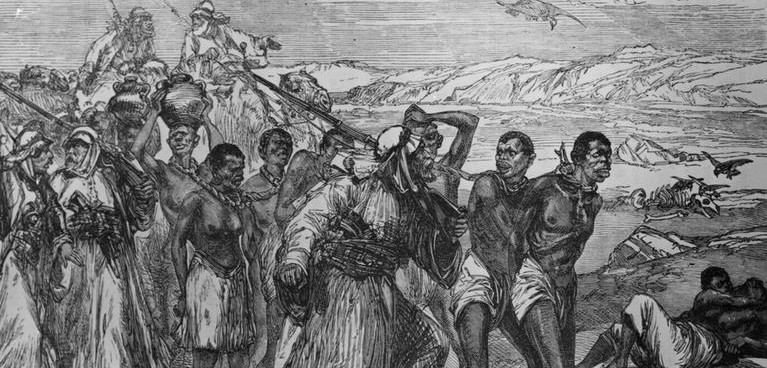
After centuries of cultural interruption: first by conquest, then by modernity’s relentless pull, Africa finds herself fighting for the soul of her memory. The songs that once mapped identity are fading. The philosophies that once shaped character are thinning. The rituals that once forged communal bonds are dissolving into nostalgia.
A deep chasm is widening:
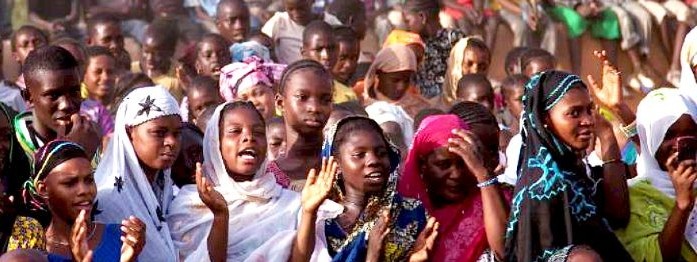
On one side, the continent’s oldest guardians, Elders who carry worlds in their minds. On the other hand, its youngest dreamers, brilliant, connected, and ambitious but culturally unanchored.
And somewhere in the space between, a profound question hangs in the air:
What happens to a people when the chain of memory breaks?
Yet this is not a tale of decline.
It is the beginning of a reclamation.
Across villages, cities, and classrooms, a quiet but mighty resurgence is stirring. Governments, educators, artisans, and culture-bearers are realising that reconnecting youth with their spiritual and cultural heritage is not a sentimental project; it is a survival strategy. A nation-building imperative. A renaissance in motion.
Because Africa’s future will not be built only on steel, code, and concrete, but on identity, story, ethics, and the ancestral wisdom that has shaped generations.
This is the moment where the past stretches out its hand toward the present.
Where Elders return not as relics, but as guides.
Where young people rediscover the power of knowing who they are, and whose they are.
The continent stands on the cusp of a cultural reawakening, and the next chapter will be written by those who dare to bridge memory and modernity, spirit and innovation, ancestry and ambition.
The drums of heritage are calling.
And the youth must answer.
Story: Kwabena Kyekyeku