
“Abject living conditions, in contrast to the high salaries paid to Cocoa Board staff, make smuggling an attractive option.”
A canker that has bedevilled Ghana’s cocoa industry for many years is the smuggling of cocoa beans to neighbouring countries.
Between July 1 and July 13 of this year, the Anti-Smuggling Taskforce at Cocoa Board (COCOBOD) seized about 400 bags of cocoa from smugglers in the Bono East and Volta Regions. Several individuals attempting to smuggle cocoa beans to Togo were apprehended during the operations.
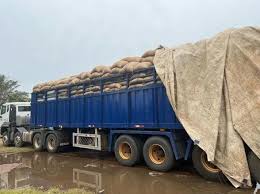
On August 8, 2024, the Bolgatanga Police arrested occupants of a fully loaded articulator truck with 500 bags of cocoa en-route to Burkina Faso.
Conservative reports say the number of cocoa bags sent illegally across the country’s borders is in the thousands, robbing the country of billions of cedis.
Despite the crackdown on smugglers why does the business thrive?
Ghana and its neighbours seem to be engulfed in “beggar your neighbour” sort of cocoa pricing. Each country tries to undermine its neighbour with a price differential. For example, when Ghana increased its farm gate price of cocoa to 3,000 cedis per bag of 60 kg, the Cote d’Ivoire pegged its farm gate price at 3,072 cedis per 64 kg bag.
Again, cocoa smuggling across the borders is a complex well-orchestrated issue that seems to involve high-level people. The factors motivating citizens to openly smuggle cocoa to the neighbouring countries include – poor road network from the farms to Cocoa Board purchasing centres, delayed payments to farmers, better and prompt payment offers by the smugglers, the unpatriotic attitude of some of the country’s security forces and Cocoa Board staff at the borders.

The poor living conditions of cocoa farmers along the border are a major contributing factor to the increase in cocoa smuggling to neighbouring countries. Issues such as inadequate medical facilities, underdeveloped road networks, lack of educational facilities for their children, and high cost of living, when compared to the high salaries paid to Cocoa Board staff, make smuggling an attractive option.
To save the cocoa industry from total decline and not only from smugglers, there is an urgent need for the Cocoa Board to strategically invest a substantial percentage of its huge money in the welfare and morale of cocoa farmers particularly along the borders of Ghana.
Consider this scenario: A cocoa farmer who owns a 100-acre farm receives an offer of ¢1.5 million for his land from a Chinese buyer. The farmer currently earns about ¢200,000 from the farm. The Chinese buyer promises to relieve the farmer from the daily challenges of farming, such as insect bites and cutlass wounds, by offering a lump sum payment. With ¢1.5 million, the farmer could build a modest house for his family and invest the remaining money in treasury bills. This situation reflects a trend that is negatively impacting the cocoa industry, as the farmer is likely to accept the Chinese buyer’s offer.
Story: Oppong Baah


